
A cooling system that stops working is never just one problem. It is a starting point for a diagnostic process that can go in a dozen different directions depending on the age of the equipment, the condition of the electrical supply, how the ductwork is laid out, and what the previous technician did or did not do. Two calls that sound identical on the phone can require completely different approaches once a technician is on-site. That gap between what a customer expects and what the job actually involves is where most of the friction in this industry lives.
What Makes a Diagnosis Simple or Complicated
The clearest cases are the ones with a single, obvious failure point. A capacitor has burned out. A contactor is stuck. A refrigerant line has a detectable leak at a fitting. These repairs are straightforward: replace the part, verify the system runs correctly, check the pressures, and leave. Total time on-site might be an hour. Cost for a capacitor replacement typically runs between $150 and $300 depending on the unit size and the part.
The complicated cases look deceptively similar at first. The system short-cycles, the homeowner reports it started blowing warm air, and the technician arrives expecting a refrigerant issue. Instead, the evaporator coil is iced over because airflow has been restricted for months by a clogged filter and partially closed registers. Fixing that takes time: the ice has to melt before any accurate readings can be taken, which can add an hour or more to the job. If the coil itself is corroded or the drain pan has been sitting in standing water, the scope expands again.
Protocol Services – Electric and Air notes that one of the most common mistakes customers make is calling for service after ignoring a slow decline for too long. A system that has been struggling for two or three months before it finally quits often has secondary damage that a fresher failure would not have caused.
When the Electrical Side Changes Everything
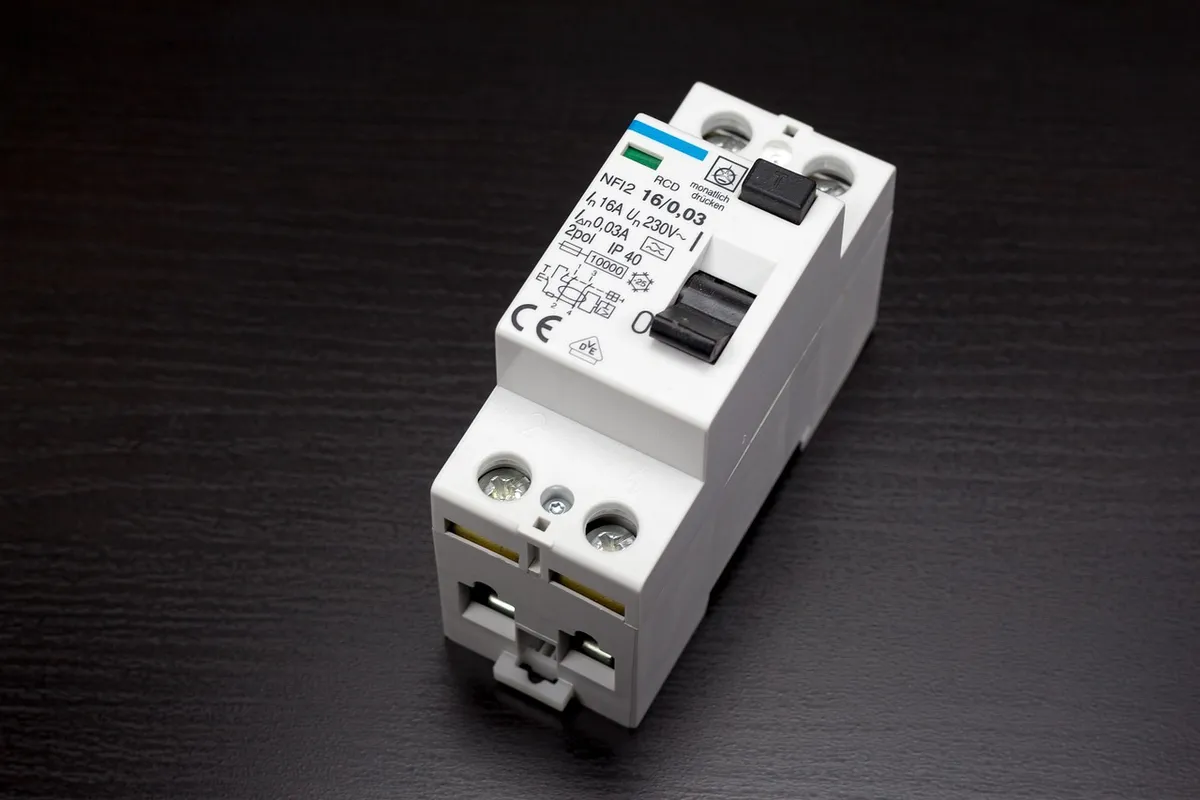
Cooling equipment does not operate in isolation. It draws power from a dedicated circuit, communicates with a thermostat, and in many cases connects to a smart panel or a whole-home electrical system. When the electrical supply is the problem, a technician focused only on the mechanical side of the equipment will miss it.
Voltage problems are a real example. A compressor that is receiving 208 volts on a circuit rated for 240 volts will run, but it will run hot and it will fail early. A standard cooling service call might not catch that unless someone checks the supply voltage at the disconnect. In older homes, particularly those with panels that have not been updated in twenty or thirty years, this kind of undervoltage situation is not unusual. The fix is not a cooling repair at all; it is an electrical one, and it requires a licensed electrician, not just an HVAC technician.
This is exactly why a company that handles both trades has a practical advantage. Protocol Services – Electric and Air covers both HVAC and electrical work, which means a technician can identify an electrical root cause without the customer having to schedule a second company and wait another day or two. For customers in Wharton, NJ dealing with older residential wiring, that cross-trade capability matters.
How Equipment Age and Installation History Shape the Work
A ten-year-old system that has been maintained regularly is a different job than a twelve-year-old system that has never been serviced and was installed by whoever was cheapest at the time. Refrigerant lines that were not properly insulated at installation will have degraded. Electrical connections at the air handler that were not torqued correctly will have loosened over years of vibration. Ductwork that was sealed with standard duct tape instead of mastic will have gaps that have been leaking conditioned air for a decade.
None of these things show up on a simple service call checklist. They show up when a technician takes the time to look at the whole system rather than just the part that triggered the complaint. That kind of thorough evaluation takes longer and costs more upfront, but it prevents the situation where a customer pays for one repair in June and another in August because the underlying condition was never addressed.
For homes near Route 15 in Rockaway, NJ, where a mix of housing ages means equipment from the 1990s sits alongside newer installations, the installation history variable is genuinely significant. A technician who asks about service records and prior repairs before starting work is doing the job correctly. One who skips that conversation is guessing. When a system is beyond economical repair, understanding HVAC options available in Rockaway, NJ helps customers make an informed replacement decision rather than a reactive one.
What Customers Can Do Before the Technician Arrives
A few practical steps make the diagnostic process faster and more accurate. Write down when the problem started, what the system was doing before it stopped working, and whether anything changed recently, such as a power outage, a filter change, or a thermostat replacement. Check the circuit breaker for the air handler and condenser before calling; a tripped breaker is a five-second fix that does not require a service call. Make sure the area around the outdoor condenser unit is clear of debris and that the filter is accessible.
Know the age of the equipment if you can find it. The manufacture date is usually on a label inside the cabinet or on the data plate of the outdoor unit. A system that is fifteen years old or older changes the conversation about whether repair or replacement makes more financial sense, and a good technician will have that conversation honestly rather than just billing for the repair.
If the situation is urgent and the system has failed completely, 24-hour emergency HVAC service is available for customers who cannot wait for a standard appointment.
Protocol Services – Electric and Air serves Rockaway, NJ and the surrounding area including Wharton, NJ as a local provider for both cooling and electrical work. Their office is located at 350 US-46 Ste 217, Rockaway, NJ 07866, and they can be reached at (908) 878-6479.
Frequently Asked Questions
What should I do before the technician arrives for HVAC service?
Before the technician arrives, note when the problem started, what the system was doing prior to failure, and any recent changes like a power outage or filter change. Check the circuit breaker for the air handler and condenser, as a tripped breaker can often be fixed quickly without a service call.
How does the age of my HVAC system affect service costs?
The age of your system plays a significant role in service costs. A system that is fifteen years old or older may require a different evaluation regarding repair versus replacement, and a good technician will discuss these options with you honestly rather than just billing for repairs.
What are common mistakes homeowners make when calling for HVAC service?
One common mistake is waiting too long to call for service, often after noticing a slow decline in performance over several months. This can lead to secondary damage that complicates repairs and increases costs, as opposed to addressing the issue when it first arises.
What types of electrical issues can affect my HVAC system?
Electrical issues, such as voltage problems, can significantly impact HVAC performance. For instance, if a compressor receives lower voltage than required, it may run hot and fail prematurely, and diagnosing this requires a technician to check the electrical supply, which may necessitate an electrician’s involvement.
Get Directions to Protocol Services – Electric and Air
🎧 Listen to this as a podcast
Also on Apple Podcasts, Spotify, and Amazon Music.