
Replacing or adding a cooling system is one of the more consequential decisions a homeowner makes. Get the sizing wrong, choose the wrong equipment type, or skip a step in the electrical work, and you will pay for it every month in wasted energy and repair bills. The options available today look nothing like what was standard even fifteen years ago, and understanding what changed, and why, helps you make a smarter call right now.
What Used to Be Standard, and Why It Fell Short
For decades, the default answer was a central split system: a condenser unit outside, an air handler or furnace inside, and ductwork running through the attic or crawl space. Installers sized equipment by a rough rule of thumb, often one ton of cooling per 500 square feet of living space. That shortcut was fast, but it ignored ceiling height, window area, insulation quality, and the direction a home faces. Oversized units would short-cycle, meaning they would cool the air quickly, shut off, and never run long enough to pull humidity out. The result was a cold, clammy house that still felt uncomfortable.
Refrigerants have changed significantly as well. R-22, which was the industry standard for years, is no longer manufactured for new equipment. Systems built around R-22 are now expensive to service because the refrigerant itself is scarce. Anyone still running older equipment should factor that into their replacement timeline, because a refrigerant leak on an R-22 system is not a small repair.
The Real Differences Between Today’s Equipment Options
The split between ducted and ductless systems is the first choice most homeowners face. A ducted central system makes sense when the ductwork is already in good shape and the home has consistent room sizes. Ductless mini-splits, which have become far more common in the past decade, work well for additions, older homes without existing ducts, or situations where one area of the house always runs hotter than the rest. A single-zone mini-split typically costs between $3,000 and $5,500 installed. A multi-zone system serving three or four rooms can run $8,000 to $14,000 or more depending on the number of heads and the complexity of the line set routing.
Efficiency ratings matter more than they used to. The SEER2 standard, which replaced the older SEER rating in 2023, measures efficiency under more realistic operating conditions. A minimum-efficiency unit rated at 14.3 SEER2 will cost less upfront but more to run. A 20 SEER2 inverter-driven unit costs significantly more at purchase, but in a home that runs the system heavily, the payback period is real. Protocol Services – Electric and Air consistently advises customers to look at the full five-year cost, not just the installation price, before settling on a unit.
Heat pumps deserve a mention here because they have moved from a niche product to a practical choice for many homes in Morris County. A heat pump handles both cooling and heating from a single outdoor unit, which can simplify your mechanical room and reduce fuel costs. The electrical load is higher than a standard condenser, so the panel capacity in your home matters. Older 100-amp services often need an upgrade before a heat pump installation is feasible, which is a cost that should appear in any honest quote.
The Electrical Side Most Homeowners Overlook
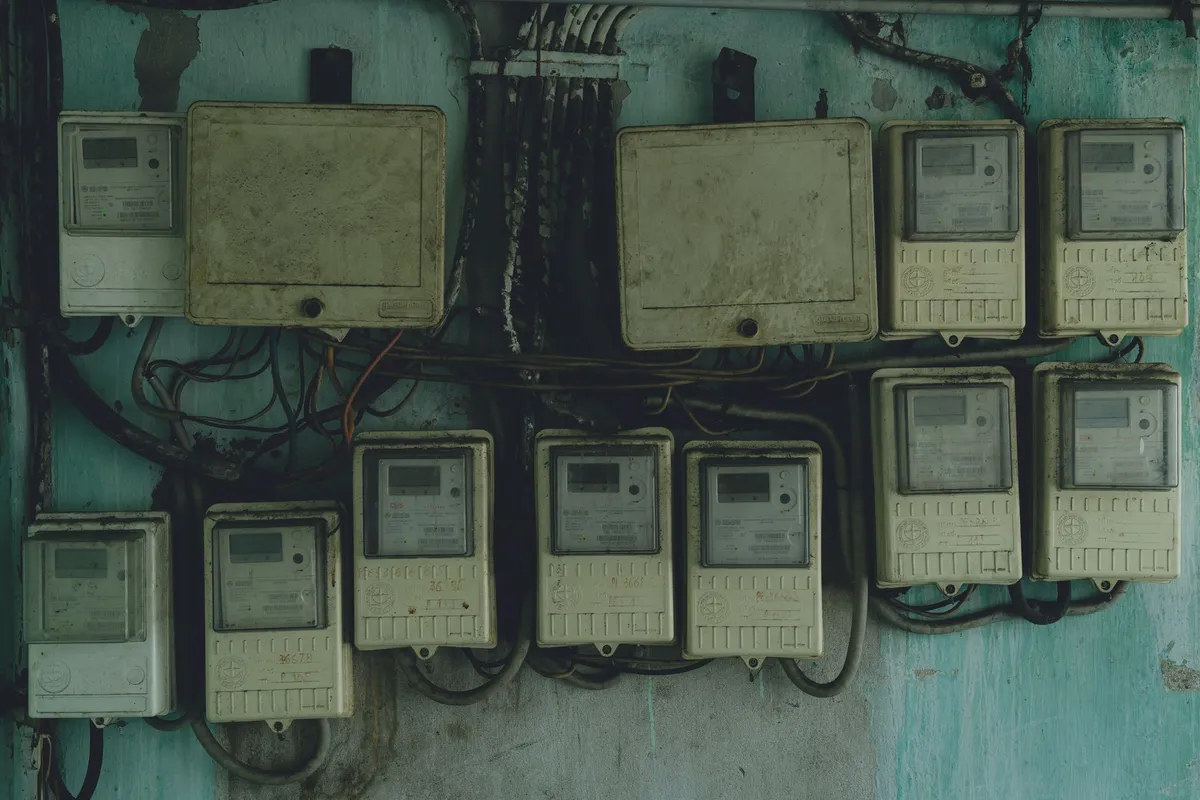
A new cooling system almost always involves electrical work, and that work is where surprises tend to show up. A standard central air condenser typically requires a dedicated 240-volt circuit with a properly sized disconnect. Mini-split systems vary, with some smaller units running on 120 volts and larger ones requiring 240. If your panel is already near capacity, adding a new circuit means either reorganizing existing loads or upgrading the panel itself.
Permit requirements in Mine Hill Township, NJ and the surrounding area are not optional. A properly permitted installation includes an inspection that confirms the refrigerant connections, electrical work, and equipment placement all meet code. Skipping permits to save a few hundred dollars can create real problems when you sell the home or make an insurance claim. Protocol Services – Electric and Air handles the permitting process as part of every installation, which removes that burden from the homeowner. For customers in the area near Route 46 or Green Pond Road who are also evaluating their home’s overall electrical capacity, the electrician and HVAC services in Mine Hill, NJ page covers what that process looks like in practice.
What to Get Right Before Anyone Shows Up
A proper load calculation, called a Manual J, should happen before any equipment is selected. This is not a rough estimate. It accounts for your home’s square footage, insulation R-values, window sizes and orientations, and the local climate data for this part of New Jersey. Skipping it is the single most common mistake in residential cooling work, and it is the reason so many homes end up with equipment that is the wrong size.
Know where your electrical panel is and whether it has been updated in the last twenty years. Have your utility bills from the past year available if you can. If you have existing ductwork, understand when it was last inspected, because leaky ducts can waste 20 to 30 percent of conditioned air before it reaches the living space. Customers in Rockaway, NJ with older homes often discover that the ductwork is the limiting factor, not the equipment itself. Addressing that before installation, rather than after, changes the outcome substantially. The HVAC services page for Rockaway, NJ has more detail on what a full system assessment covers.
Protocol Services – Electric and Air is a local resource for homeowners in Rockaway, NJ and Mine Hill Township, NJ who want straightforward answers about cooling systems without the pressure of a sales pitch. You can reach the team at 350 US-46 Ste 217, Rockaway, NJ 07866, or by phone at (908) 878-6479.
Frequently Asked Questions
What should I do to prepare for a new cooling system installation?
Before installation, get a proper load calculation, known as a Manual J, to ensure the right equipment size. Have your electrical panel’s status checked, and gather your utility bills from the past year to help assess energy needs. If you have existing ductwork, know when it was last inspected, as leaky ducts can waste significant conditioned air.
What are the costs associated with different cooling system options?
A single-zone mini-split typically costs between $3,000 and $5,500 installed, while a multi-zone system can run from $8,000 to $14,000 or more depending on the complexity. Ducted systems can vary widely based on the existing ductwork and overall system requirements. It’s important to consider both upfront costs and long-term energy expenses when making a decision.
What common mistakes should I avoid when choosing a cooling system?
One of the most common mistakes is skipping the Manual J load calculation, which can lead to improperly sized equipment. Additionally, ignoring the condition of your electrical panel or existing ductwork can result in costly upgrades after installation. Always ensure that any installation is properly permitted to avoid future complications.
What electrical considerations should I be aware of before installing a cooling system?
A new cooling system typically requires a dedicated 240-volt circuit, and some mini-split systems may require 120 volts or 240 volts depending on size. If your electrical panel is near capacity, you might need an upgrade, which should be included in any installation quote. Proper permits are also necessary to ensure compliance with local codes and to avoid issues down the line.
Get Directions to Protocol Services – Electric and Air
🎧 Listen to this as a podcast
Also on Apple Podcasts, Spotify, and Amazon Music.